

How an online store answers where's my order in seconds with Zendesk AI
The outcome we're after.
An online store lives or dies on the inbox. The same questions arrive all day and most of the night. Where is my order, can I return this, will it fit, do you ship to my postcode. The answers already exist in the help centre and the order record, yet a person retypes them one ticket at a time. Zendesk AI, grounded in the store's own approved help content and connected to its Shopify order data, answers the routine questions in seconds, around the clock, and passes only the genuinely complex or upset tickets to a person with the context already gathered.
Book a discovery call 
The inbox an online store can’t keep up with
An online store runs on its support inbox more than its owner would like. A growing store fields hundreds of customer messages a week, and the mix barely changes. Where is my order. Can I return this. Will the medium fit. Do you ship to my postcode. The questions repeat, the answers already sit in the help centre and the order record, and the cost is in the retyping.
The volume is not steady either. It spikes the week a sale runs, the days after a big shipment goes out, and every time a parcel is slow. Those are the moments a small team can least afford the load, so replies slip from minutes to the next morning, customers send a second message asking why nobody answered, and the queue grows on itself. A person spends the day on questions a good help page already answers and has less time for the orders that have actually gone wrong.
Most stores have tried a chatbot and most have been disappointed. The old rule-based widgets could not understand a question asked in a customer’s own words, could not see the order behind “where’s my order”, and gave a confident wrong answer the moment a policy changed. A support assistant for retail has a high bar to clear. It has to be accurate, it has to know when it does not know, and it has to handle customer and order data under the Privacy Act 1988 while stating returns rights correctly under Australian Consumer Law.
Why Zendesk AI, grounded in the store’s own content
The version that works is Zendesk AI inside the store’s existing help desk, answering in chat and email, grounded in the store’s own approved help content rather than a model’s guess, and connected to its Shopify order data. The customer asks normally. The assistant understands the request, retrieves the right passage from the published help centre, checks the order in Shopify where the question needs it, and replies in plain language. Anything outside its scope goes to a person in the same ticket.
We headline these builds on Zendesk AI for a practical reason. The store is already on the help desk, so the assistant lives where the team works, reads from the help centre the team already maintains, and hands off into the same ticket with the history attached. A generic bot bolted on the side cannot see the order or the policy, which is precisely what customers ask about, so it deflects nothing that matters. Grounding is the part that earns trust, so it shapes the build. Rather than let the model answer from memory, the assistant retrieves from the store’s current help content, and an OpenAI GPT model turns that retrieved passage into a clear reply within tight instructions on scope and tone. Update a help page and the answer updates with it.
The order side is the other half. For “where’s my order”, a return status or a tracking question, the assistant reads the live order from Shopify rather than guessing, but only after it has confirmed who it is talking to. The scope stays deliberately narrow. The assistant answers routine questions and triages everything else. A complaint, a dispute, a damaged item or anything it is unsure of is routed to a person, with the conversation summarised and the verified order details attached so nobody starts again.

Building it, and where it got hard
The model was rarely the hard part. The friction lived at the edges, and two examples stand in for the rest.
The first was returns and refunds. A support bot that confidently gives a wrong returns answer is not a small bug. Australian Consumer Law gives customers consumer guarantees on faulty goods that a store cannot sign away, so an assistant that improvises a stricter policy creates both a compliance problem and a trust problem. Early in testing the assistant was paraphrasing policy in ways that drifted from the store’s actual terms. The fix was to ground every policy answer in the store’s approved returns and refund content with no room to improvise, and to set a confidence threshold so anything ambiguous or complaint-shaped went to a person rather than a guess. Stating the real policy, or handing over, removed a whole class of risky answers.
The second was order status. “Where’s my order” is the most-asked question and the most sensitive, because answering it means reading a real customer’s order out of Shopify. An assistant that reveals order detail to whoever asks is a privacy incident waiting to happen, and customer data sits under the Privacy Act 1988. The fix was to verify identity before exposing anything. The assistant confirms the customer against the account and order before it reads back any detail, and on a failed check it hands to a person rather than press on. Identity first, order detail second, with no exceptions.
Two more constraints shaped the rest. Tone and language had to match the brand, so the assistant was held to the store’s voice and given multilingual replies for customers who wrote in another language. And every handover carried context, the conversation so far and the verified order, so a customer never had to repeat themselves to the person who picked up.
What changed
In a representative deployment Zendesk AI resolved around half of inbound tickets end to end, most of them the order-status and returns questions a person had been answering by hand. First-response time on those common questions fell from hours to seconds, because the reply no longer waited for an agent to reach the queue. Roughly a third of the resolved questions arrived outside trading hours, which the store had previously met with silence until the next morning. When the assistant did escalate, it passed the conversation and the verified order details, so the person took over without asking the customer to start again.
These figures are illustrative. They describe the pattern we see rather than a published result for a named store. The shape is the point. The repeat, after-hours and policy load comes off the inbox, the team gets its day back for the orders that have genuinely gone wrong, and the customer gets a straight, correct answer in seconds, grounded in the store’s own help content and order data.
Where this fits
Support deflection with Zendesk AI is one application of our AI Agents service, grounded in the store’s own content, for Australian retail and ecommerce. It is a contained, high-volume problem an assistant is genuinely suited to, and a sensible first step before anything more ambitious like recommendations or demand planning. If your inbox is wearing the question load, the place to start is to map your highest-volume tickets and decide where a person must stay in the loop.
Representative outcomes
Routine tickets deflected
Around half of inbound tickets were resolved end to end in a representative deployment, most of them order-status and returns questions that a person had been answering by hand.
Faster first response
First-response time on common questions dropped from hours to seconds, because the answer no longer waited for an agent to open the queue.
After-hours coverage
Roughly a third of resolved questions arrived outside trading hours, when the store had previously left customers waiting until the next morning.
This solution applies our AI Agents service, built primarily on Zendesk AI , for the Retail & Ecommerce sector.
Supporting stack: OpenAI GPT model, Shopify.
Go deeper: AI Agents for Retail & Ecommerce .
Related solutions.

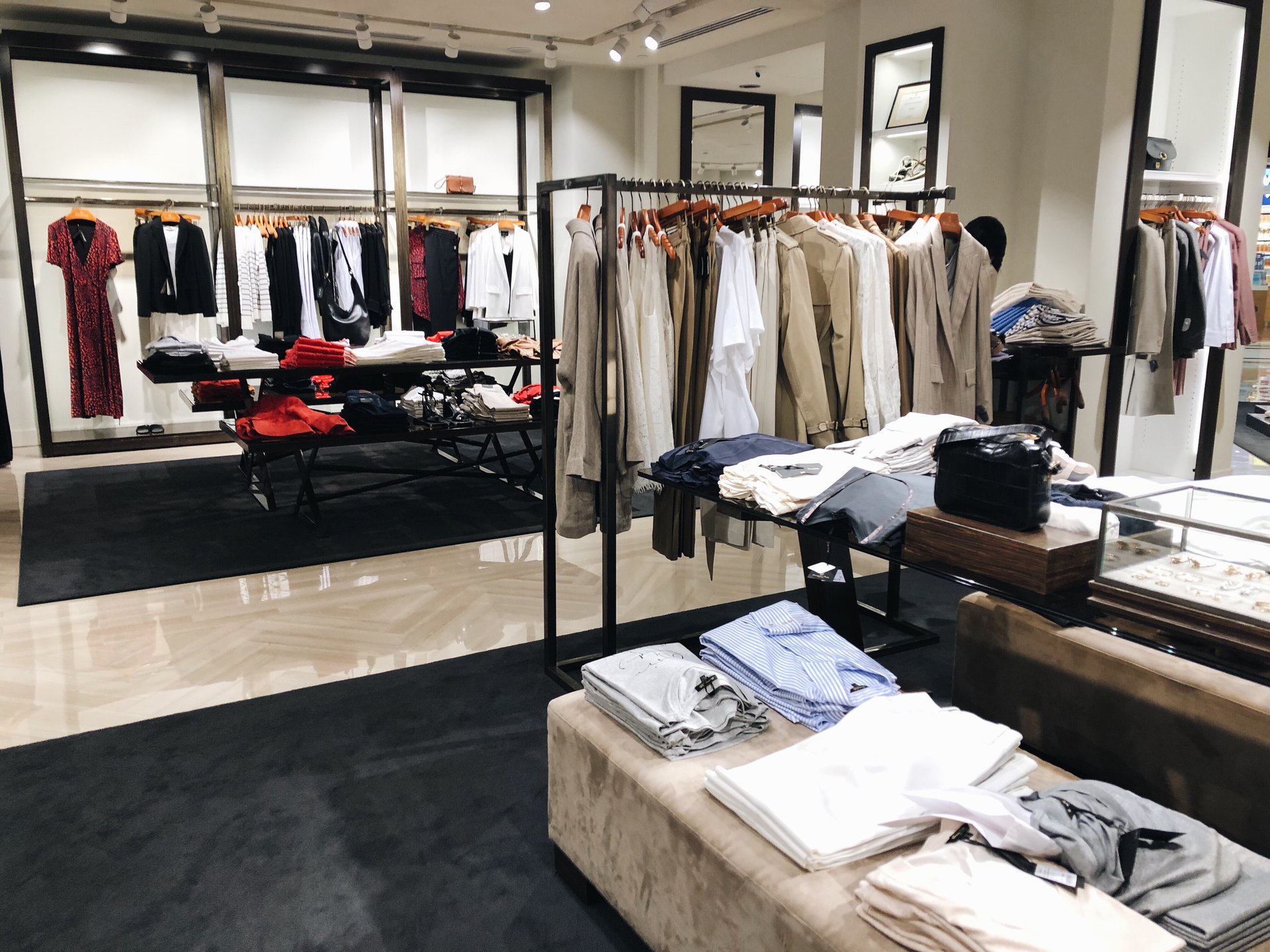

Representative Solution. An illustrative scenario based on how we deliver, not a named client engagement. Outcome figures are representative, not published results.
Frequently asked.
Which AI is best for ecommerce customer support?
How can AI be used in retail and ecommerce?
Does this replace our support agents?
How does it answer order-specific questions safely?
How do you stop it giving wrong answers on returns or refunds?
Take the repeat questions off your inbox
We will map your highest-volume tickets and show you how Zendesk AI would answer them safely, grounded in your own help centre and Shopify orders, with your team in the loop.
Book a discovery call