

One view from paddock to silo for a broadacre grower with Snowflake
The outcome we're after.
An established broadacre cropping operation already collects more data than most software firms. Yield monitors, variable-rate controllers, soil and moisture sensors, weather stations and years of agronomy notes. The trouble is that it sits in a dozen apps and brand portals that do not talk to each other, so nobody can see how a single paddock actually performed. A governed Snowflake platform pulls those scattered sources into one trusted place, reconciles them to each paddock and zone, and turns the result into views that guide what to put where next season.
Book a discovery call 
The data a broadacre grower already has but cannot read
A broadacre cropping operation is collecting field data on every pass, whether anyone uses it or not. The header logs yield as it harvests. The seeder and sprayer record what went on, where, and at what rate. Soil and moisture probes report through the season. A weather station tracks rainfall and temperature, and years of agronomy notes sit in a notebook or an app. The raw material to understand each paddock is already there. The problem is that none of it lives in the same place.
Instead it scatters across brand portals and apps that were never built to talk to each other. The green machinery has one cloud, the red machinery another, the sensors a third, and the agronomist works in a fourth. So a simple question, how did the eastern paddock really perform against the inputs it received, turns into an afternoon of exporting files and lining up spreadsheets by hand. By the time the answer arrives the planting window for acting on it has often passed.
The constraints are particular to farming here too. The grower owns this data and expects to keep control of who sees it, a principle set out in the Australian Farm Data Code. Connectivity across broadacre country is patchy, so any system that assumes a live link from the header will fail in the paddock. And the readings themselves are messy, with gaps, drift and brand-specific formats. Deciding next season’s inputs off a blended whole-paddock average, when the paddock plainly varies from one end to the other, leaves money in the ground.
Why Snowflake, and what sits beneath it
The aim is one governed place where every source agrees, so a paddock has a single performance record the whole operation reads from. We headline these builds on Snowflake because it suits exactly this shape of problem. It ingests structured machine exports and semi-structured sensor and weather feeds without forcing everything into one rigid schema up front. It separates storage from compute, so a heavy season-end crunch does not slow the everyday views. And its access controls let the grower grant an agronomist or contractor a narrow slice without handing over the whole farm.
The alternative most operations live with is the opposite of governed. Each brand portal is its own island, the real analysis happens in spreadsheets exported by hand, and no two exports reconcile. That works for a single paddock and falls apart across a whole program. A unified platform replaces the islands with one source of truth that every view, and every later model, reads from.
Beneath Snowflake the supporting tools each do one job. Apache Spark handles the heavy processing of machine and sensor data, the high-frequency yield and rate logs that are too large and too irregular to wrangle by hand. Power BI sits on top and turns the modelled data into the paddock-by-paddock and zone-by-zone views the farm office actually opens. The grower never sees the plumbing. They see a clear picture of which country performed and what it cost to get there.
Building it, and where it got hard
The model was never the hard part. Getting the data trustworthy was, and one issue stood in for the rest.
Yield-monitor data arrives in incompatible formats and units from mixed-brand machinery, riddled with gaps and GPS drift. Matching a yield reading to the right paddock and zone is far harder than it sounds. A header crossing a boundary, a probe logging from a fence line, or a few metres of GPS wander can quietly assign a strong reading to the wrong block. Early in the build, paddock totals came out looking plausible but disagreed with the grower’s own grain receipts, and a number that is close but wrong is worse than no number, because people act on it.
The fix was a proper landing-and-modelling layer in Snowflake. We landed every source in its raw form first, then standardised units and machine formats so a tonne meant a tonne across every brand. We reconciled each reading to the actual paddock and zone boundaries rather than trusting the raw GPS point, smoothing the drift at the edges. And we handled missing and estimated data explicitly, flagging it rather than silently filling it, so a season total carried its own confidence. Once the platform totals matched the receipts, the grower trusted the rest.
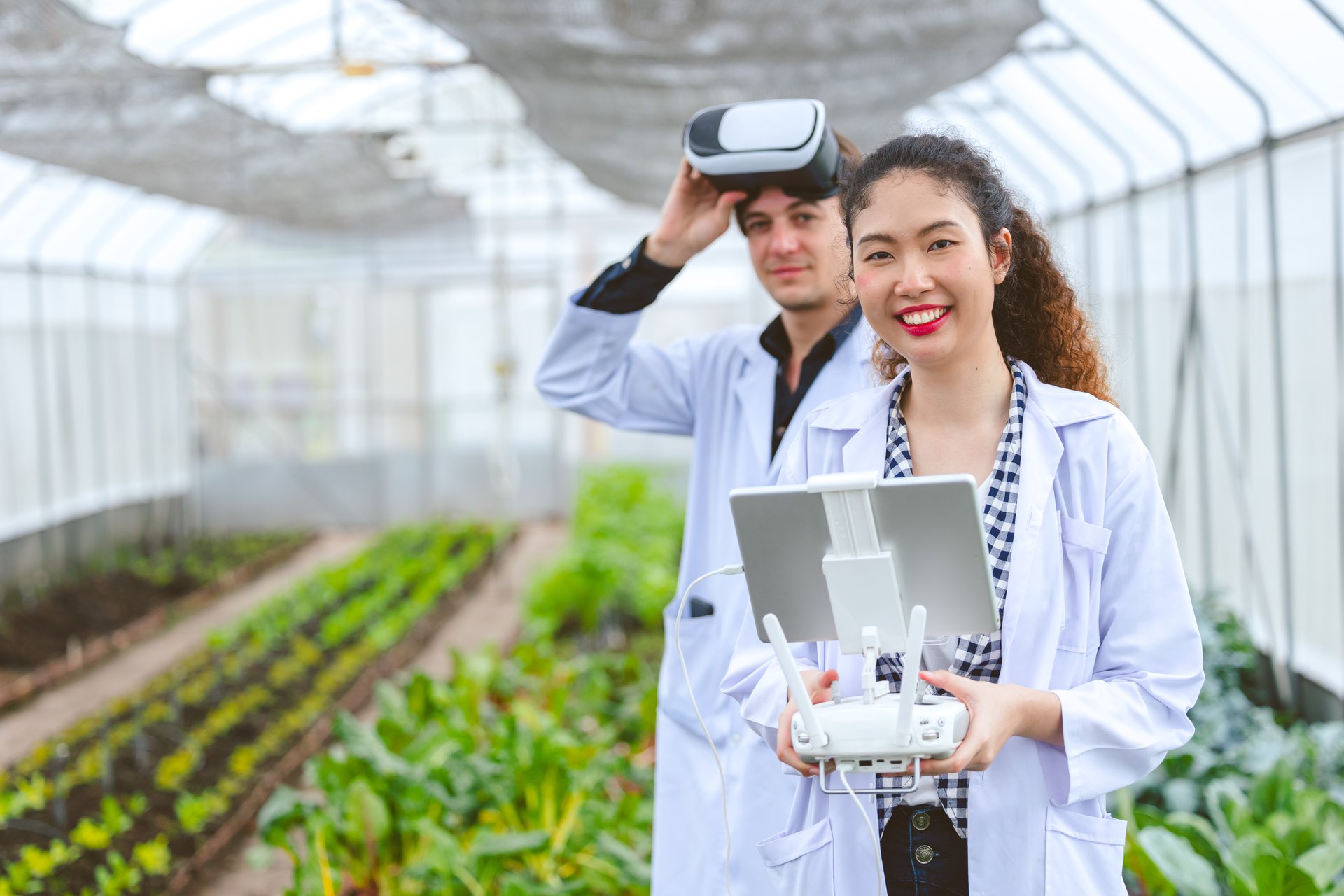
Two constraints shaped the rest of the build. Connectivity is not guaranteed in the paddock, so we designed for buffered readings that sync when a machine reaches coverage or returns to the shed, with the platform ingesting in batches rather than expecting a live stream. And because the grower owns this data, access was scoped from the start, so the operation could share a single paddock’s view with an agronomist without exposing the whole farm.
What changed
In a representative build the scattered sources came together into one platform the farm office could read. Mixed-brand yield data reconciled to paddock and zone boundaries, so season totals balanced against the grain receipts instead of disagreeing across three portals. The post-harvest review, which had meant weeks of stitching spreadsheets by hand, became an overnight refresh that was ready the next morning. And matching yield to soil and moisture by zone showed where an extra pass of nitrogen earned its cost and where it was wasted, turning a single whole-paddock rate into a per-zone decision.
These figures are illustrative. They describe the pattern rather than a published result for a named operation. The shift is the point. The data the grower was already paying to collect starts answering real questions about which country performs and what to put where, while there is still time to act on it before the next season goes in.
Where this fits
A unified farm data platform is one application of our Data Insights and Analysis service, built on Snowflake, for the realities of Australian broadacre cropping. It is a contained, high-return starting point, because the data already exists and the value comes from getting it into one governed place and reconciled to the paddock. It is also the foundation that later predictive work needs, since a yield forecast or an input model is only as good as the data underneath it. If your paddock data is scattered across brand portals and spreadsheets, the place to start is to map your machinery, sensor and agronomy sources and decide the handful of views that would change your input decisions.
Representative outcomes
One source of yield truth
A representative build reconciled mixed-brand yield-monitor data to paddock and zone boundaries, so season totals balanced instead of disagreeing across three different portals.
Faster season review
Pulling machinery, sensor and weather data into one platform cut the post-harvest review from weeks of manual spreadsheet stitching to a refresh that ran overnight.
Input decisions by zone
Matching yield to soil and moisture by zone showed where extra nitrogen earned its cost and where it did not, turning a whole-paddock average into a per-zone call.
This solution applies our Data Insights & Analysis service, built primarily on Snowflake , for the Farming & Agriculture sector.
Supporting stack: Apache Spark, Power BI.
Go deeper: Data Insights & Analysis with Snowflake.
Related solutions.


Representative Solution. An illustrative scenario based on how we deliver, not a named client engagement. Outcome figures are representative, not published results.
Frequently asked.
How is AI used in farming?
What skills are needed for precision farming?
How do you unify data from different machinery and sensors?
Who owns and can see the grower's data?
Does it need constant connectivity in the paddock?
See every paddock in one place
We will map your machinery, sensor and agronomy data and show you the paddock-by-paddock views a Snowflake platform can put in front of your farm office.
Book a discovery call